Kids who grow up caring about the outdoors usually learn that lesson at home, not in a classroom. When children help plan, build, and maintain a backyard project, they develop a lasting sense of ownership over green spaces and the environment around them. The good news is you do not need a sprawling property or a big budget to teach these lessons. A handful of simple, hands-on home projects can turn your yard into a living classroom that kids actually want to spend time in.
Building a Backyard Garden Bed Together
Starting a garden bed is one of the most accessible ways to get kids invested in outdoor spaces because they can see and taste the results of their work. Let children choose a few easy-to-grow vegetables or flowers, then walk them through preparing the soil, planting seeds, and watering on a schedule. This kind of repeated, low-stakes responsibility teaches patience and cause-and-effect in a way that feels rewarding rather than like a chore.
If your existing soil is poor or your yard lacks a defined planting area, consider bringing in materials to build a proper raised bed. Many families source local rock and limestone to edge garden beds, which not only looks tidy but also helps retain soil and moisture as plants grow. Letting kids help arrange the border stones turns a practical task into a fun, tactile activity.
- Choose fast-growing plants like radishes, sunflowers, or cherry tomatoes for quicker payoff
- Assign each child a specific bed or row to manage
- Keep a simple growth journal with drawings or photos
- Involve kids in harvesting and, if possible, cooking what they grow
Creating a Level Play Area for Outdoor Games
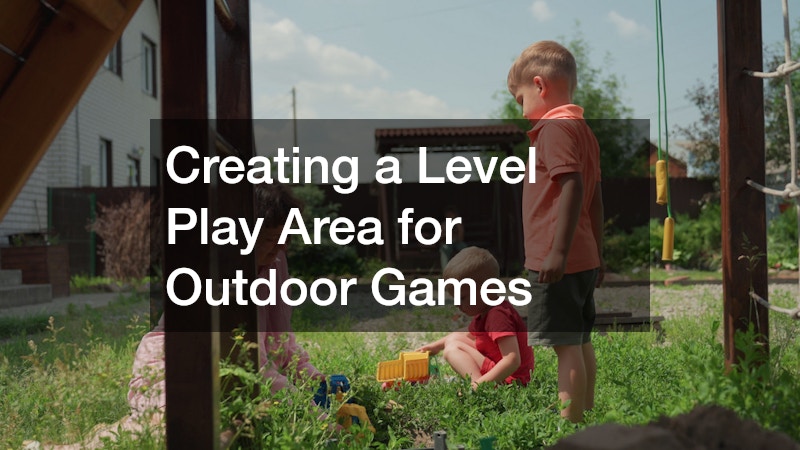
An uneven, sloped, or oddly shaped backyard can discourage kids from playing outside at all. Leveling out a section of the yard gives children a safe, dedicated space for games, a trampoline, or a simple picnic spot, and it teaches them that outdoor areas can be shaped intentionally rather than just left as-is. For yards with significant grade changes, this sometimes means addressing drainage or slope issues before any digging begins.
On sloped properties, retaining wall contractors are often brought in to create flat, usable terraces out of hillsides that would otherwise be wasted space. Watching this kind of project unfold, even from a distance, gives kids a real-world look at how outdoor spaces get engineered and improved. It is a great opportunity to explain basic concepts like erosion, water flow, and why certain yard features exist in the first place.
- Mark off the intended play area with stakes or rope before construction
- Explain what erosion looks like and why walls or terraces prevent it
- Let kids help choose surface material, like grass, mulch, or pea gravel
- Revisit the space seasonally to check for settling or erosion issues
Clearing Overgrown Areas for New Family Activities
Many backyards have a forgotten corner choked with brush, weeds, or dead trees that nobody uses. Turning that space into something functional, like a fire pit area, a vegetable patch, or a wildlife garden, is a great family project that shows kids how neglected land can be transformed. Depending on the density of growth, this may go beyond a weekend of yard work.
For larger overgrown lots or significant tree removal, professional land clearing services can safely and efficiently open up the space without damaging nearby structures or root systems you want to keep. Once the area is cleared, invite kids to help plan what goes there next, whether it is a new play structure, a garden, or simply open grass. Giving them a voice in the redesign reinforces that outdoor spaces are worth thoughtful use, not just neglect.
- Identify which trees or shrubs are worth keeping before clearing begins
- Involve kids in sketching a “before and after” plan for the space
- Discuss safety rules around tools, brush piles, and debris
- Repurpose cleared branches into a brush pile habitat for wildlife
Designing a Backyard Layout That Kids Help Plan
Sometimes the most valuable lesson is not building any single feature but learning how a whole outdoor space gets planned. Sitting down with kids and a piece of graph paper to sketch out where a garden, play area, seating, and pathways might go teaches them to think about outdoor spaces holistically. This kind of exercise mirrors what a landscape design company does professionally, just at a much smaller and more personal scale.
If your family decides to take on a bigger backyard overhaul, involving a landscape design company can help translate your child’s rough sketch into a realistic, workable plan. Bring your kids along to any consultation meetings so they can see how their ideas get incorporated into the final design. This makes the finished space feel personal to them, which increases the odds they will help maintain it.
- Ask kids what activities they most want the space to support
- Balance play areas, plants, and family gathering spots in the layout
- Consider future needs, like space for a swing set that will eventually come down
- Keep a copy of the final plan so kids can watch the project match the drawing
Establishing a Regular Lawn Care Routine
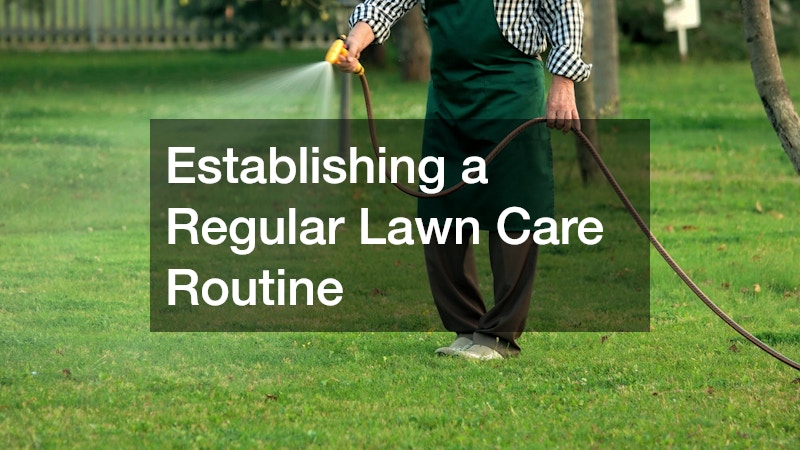
A well-kept lawn is often the first outdoor space kids interact with daily, making it a natural place to build responsibility. Simple tasks like watering on a schedule, picking up sticks before mowing, or helping rake leaves teach kids that outdoor spaces require ongoing effort, not just one-time projects. Even young children can handle small, age-appropriate lawn chores with supervision.
Watching how a local lawn care company handles fertilizing schedules, seasonal treatments, and mowing patterns can also be a teaching moment about consistency and long-term care. Point out to kids how the lawn changes throughout the year based on weather and maintenance, connecting cause and effect in a very visible way. This helps children understand that healthy outdoor spaces do not maintain themselves.
- Assign a weekly lawn task appropriate to your child’s age
- Talk through why lawns need different care in spring versus summer
- Show kids how to check soil moisture before watering
- Point out signs of a healthy lawn versus a stressed one
Restoring Driveways and Walkways as a Family Project
Cracked or crumbling pavement is not just an eyesore, it is also a chance to talk with kids about how outdoor infrastructure needs regular upkeep. Walking them through a simple driveway sealing project shows how small maintenance steps prevent bigger, costlier problems down the road. Even young kids can help with easy tasks like sweeping debris or keeping pets and toys off a freshly treated surface.
For families dealing with a worn asphalt driveway, scheduling asphalt sealcoating every couple of years is a practical, visible way to demonstrate preventative care. Let kids watch from a safe distance as the surface is cleaned, cracks are filled, and the fresh sealant is applied, then compare before-and-after photos together. This straightforward project reinforces the idea that maintaining an outdoor space is an ongoing responsibility, not a one-time event.
- Explain why cracks in pavement get worse if left untreated
- Compare the driveway’s appearance before and after sealing
- Set a reminder for the next scheduled maintenance
- Let kids help choose a safe waiting area during application
Fixing Foundation and Ground-Level Issues Before Building
Before adding any new outdoor structure, from a playhouse to a patio, it is worth checking that the ground underneath is solid and stable. Uneven or sinking sections near the house can be signs of deeper issues that should be addressed before kids start playing nearby. This is also a good opportunity to teach children that not every problem outside is visible at first glance.
If you notice cracks along your home’s base or doors that stick after a shift in the ground, a slab foundation repair company can assess whether settling is affecting the stability of nearby outdoor areas. Sharing a simplified version of this process with kids, such as explaining why the ground shifts or what engineers look for, builds curiosity about how homes and yards are connected. It also reinforces that safety checks are part of caring for outdoor spaces, not just an adult inconvenience.
- Watch for warning signs like uneven pavement or gaps near the foundation
- Explain in simple terms how soil moisture affects ground stability
- Involve kids in observing any repair work from a safe distance
- Recheck the area after heavy rain seasons

Adding Festive Lighting to Celebrate the Seasons Outdoors
Decorating the outside of the home for holidays is a fun, low-pressure way to get kids excited about spending time outdoors, even in colder months. Planning where lights will go, testing strands, and picking a theme together turns a simple task into a creative family project. This also teaches basic electrical safety and planning skills in an approachable way.
For larger or more elaborate displays, many families turn to a professional christmas lights installation service to handle high rooflines or complex wiring safely. Kids can still be involved by helping choose colors, patterns, or which trees and bushes get highlighted, giving them ownership over the final look. Walking outside together each evening to see the finished display reinforces that outdoor spaces can be sources of joy and family tradition, not just chores.
- Sketch a simple lighting plan before buying any strands
- Let kids pick a color theme or pattern for the yard
- Discuss basic safety around outdoor outlets and extension cords
- Take a nightly walk to enjoy the display as a family
Understanding Property Lines Before Starting New Projects
Before digging a garden bed, installing a fence, or planning any bigger backyard feature, it is important to know exactly where your property ends and a neighbor’s begins. This is a great real-world lesson for kids about boundaries, planning, and why documentation matters. Skipping this step can lead to disputes or having to redo work later, which is a valuable lesson in itself.
Hiring local land surveyors to mark accurate boundary lines gives your family a clear, reliable reference point before any major project begins. Walking the property line together with kids, marker flags in hand, is a simple but memorable way to show them the physical shape of their own outdoor space. It also opens the door to conversations about respecting shared spaces and neighborly cooperation.
- Request a current survey if your property lines are unclear or undocumented
- Mark boundaries with flags or stakes before construction begins
- Use the walk-through as a chance to talk about respecting neighbors’ space
- Keep survey documents on file for future projects
Removing Old Concrete to Make Room for New Features
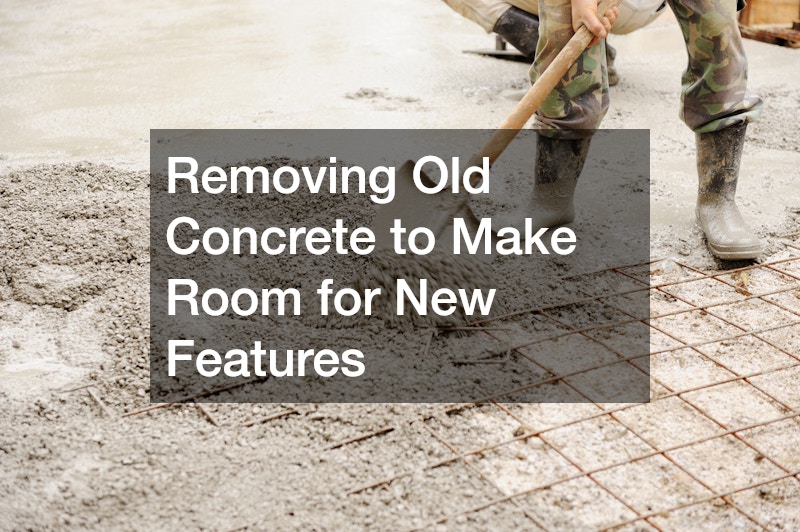
Old, cracked, or unused concrete slabs, like an outdated patio or unused walkway, often take up valuable space that could become something kids actually enjoy. Removing these features safely usually requires more than a sledgehammer and some enthusiasm, especially if utility lines run nearby. This is a good moment to teach kids that some projects require professional tools and expertise rather than DIY effort.
A local concrete cutting service can precisely remove or resize old slabs without damaging surrounding structures, clearing the way for a new garden, play area, or seating space. Letting kids watch the process, from a safe distance, shows them how demolition can be controlled and purposeful rather than destructive. Once the space is cleared, involve them in deciding what worthwhile outdoor feature should take its place.
- Check for buried utility lines before any cutting or removal begins
- Discuss with kids why professional equipment is sometimes necessary
- Plan the replacement feature before the old slab is removed
- Reuse broken concrete pieces creatively, such as garden edging
Teaching kids to value outdoor spaces does not require a single grand renovation, just a series of small, intentional projects that invite them to participate and take pride in the results. Whether you start with a simple garden bed or work up to a bigger backyard redesign, the goal is the same: showing children that outdoor spaces are worth understanding, maintaining, and enjoying. Pick one project from this list that fits your family’s time and budget, and get your kids involved from the very first step. The lessons they learn digging in the dirt or watching a project come together will stick with them far longer than any lecture ever could.