Choosing childcare is an important decision for families. Parents want a safe, welcoming environment where their children can learn, develop social skills, and feel comfortable while they are away from home. With different programs, schedules, and teaching approaches available, finding the right fit can take time and careful consideration. Knowing what to look for can help you compare your options and choose a setting that supports your child’s needs. From checking staff qualifications to reviewing daily activities, several factors can guide your decision.
Consider Your Child’s Needs and Personality
Every child develops at a different pace and has unique interests, preferences, and needs. Before exploring childcare options, consider your child’s age, temperament, and current stage of development. Some children enjoy group activities and social interaction, while others need more time to become comfortable in unfamiliar surroundings.
Think about the type of environment where your child is most likely to thrive. Younger children may benefit from consistent routines, individual attention, and opportunities for sensory exploration. Older toddlers and preschoolers may enjoy activities that encourage creativity, independence, and cooperation.
Consider whether your child has specific dietary requirements, allergies, or other needs that caregivers should accommodate. Discussing these details with prospective providers can help you determine whether they can offer appropriate support.
Research Staff Qualifications and Experience
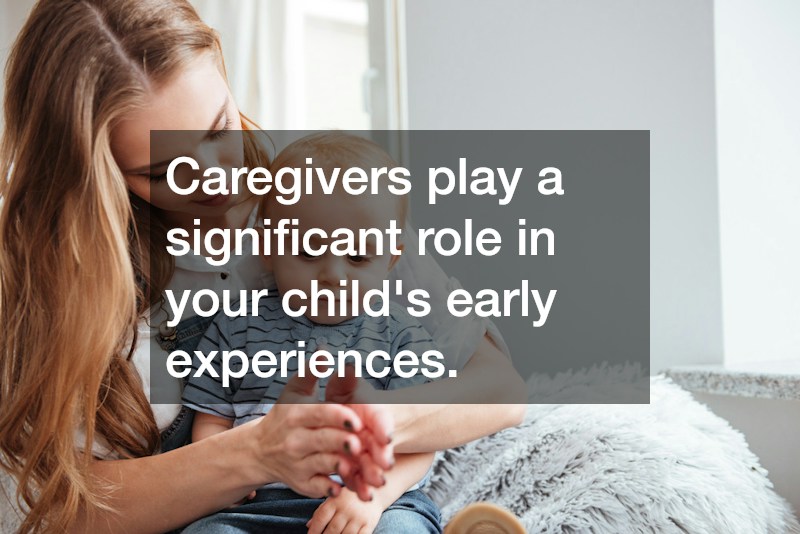
Caregivers play a significant role in your child’s early experiences. Their knowledge, patience, and ability to respond to children’s needs can influence how comfortable children feel throughout the day. When comparing childcare centers, ask about staff qualifications, relevant training, and experience working with children in your child’s age group.
It is also helpful to learn about staff-to-child ratios and group sizes. Smaller groups and appropriate staffing levels can make it easier for caregivers to provide individual attention and supervise activities effectively. Requirements vary by state and age group, so confirm that the provider follows applicable licensing regulations.
Ask how staff members handle disagreements, separation anxiety, and challenging behaviour. Their answers can reveal how they approach children’s emotional development and create a supportive atmosphere.
Visit the Facility and Review Safety Measures
An in-person visit can help you understand what a typical day might look like for your child. Observe whether classrooms appear clean, organised, and suitable for the ages of the children attending. Look for age-appropriate toys, accessible learning materials, and spaces where children can play safely.
Pay attention to security procedures, including how authorised adults collect children and how visitors enter the facility. Ask about emergency plans, staff training, first-aid procedures, and supervision during outdoor play.
Outdoor areas should be maintained and designed with children’s safety in mind. Equipment should be appropriate for the children’s ages, and play spaces should allow caregivers to supervise children effectively.
You should also ask about illness policies, medication procedures, and food safety practices. A provider that explains its policies clearly can help parents understand how health and safety concerns are managed.
Explore the Learning Environment and Daily Activities
Childcare can provide valuable opportunities for children to develop language, social skills, creativity, and problem-solving abilities. Ask prospective providers about their daily schedules, educational philosophy, and approach to early learning.
Look for a balance of structured activities and free play. Reading, music, art, building activities, and outdoor exploration can encourage children to discover new interests while developing different skills. Young children also need opportunities to rest, eat, and participate in activities suited to their developmental stages.
Observe how caregivers interact with children during your visit. Warm communication, encouragement, and respectful guidance can help children feel secure and confident. Ask how the program supports different learning styles and adapts activities for children who need additional assistance.
Compare Costs, Schedules, and Communication
Practical considerations are just as important as the learning environment. Before making a decision, compare tuition rates, operating hours, holiday closures, and enrollment requirements. Ask whether registration fees, meals, supplies, or late-pickup charges are included in the quoted price.
Consider how the schedule fits your family’s work commitments and transportation arrangements. A program that offers suitable hours and a manageable commute may make daily routines easier.
Communication is another important factor. Ask how caregivers share updates about meals, naps, activities, behaviour, and developmental progress. Find out whom you should contact if you have questions or concerns.
Reliable communication helps parents stay informed and build a cooperative relationship with caregivers. It also makes it easier to discuss changes in a child’s routine or address concerns before they become larger problems.
Check Reviews, References, and Licensing
Before enrolling your child, research the provider’s reputation. Read reviews from other families, but remember that individual experiences may not reflect the entire program. Ask whether the provider can share references from current or former families.
Verify the facility’s licensing status and review any publicly available inspection records or compliance information. Licensing requirements differ by location, so contact your local childcare regulatory agency if you need help confirming a provider’s standing.
During your research, trust your observations as well as the information you gather. Ask follow-up questions if something seems unclear, and take the time to compare more than one option when possible.
Make a Confident Childcare Decision
Finding the right childcare arrangement involves balancing your child’s developmental needs with your family’s schedule, budget, and expectations. By visiting facilities, meeting caregivers, reviewing safety policies, and exploring daily activities, you can make a more informed choice.
The best childcare environment is one where your child feels safe, supported, and encouraged to learn. Taking time to research your options and ask thoughtful questions can help you select a program that gives your child a positive foundation for future growth.