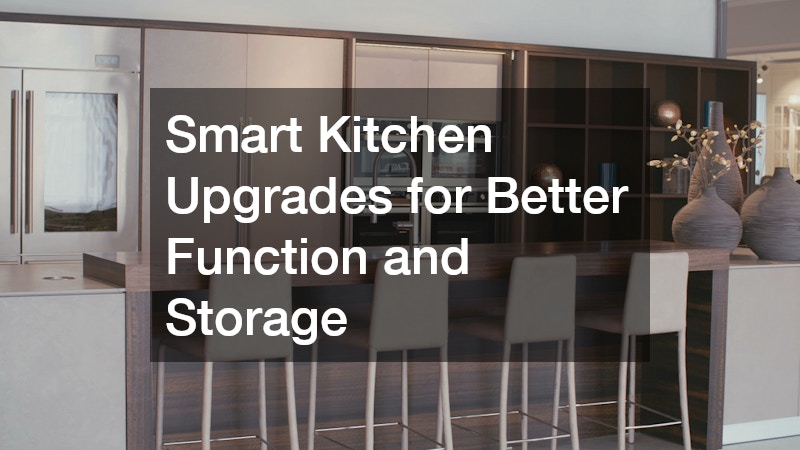
Modern homeowners are rethinking how their kitchens work, not just how they look. A kitchen is no longer simply a place to prepare meals; it is where families gather, where work-from-home breaks happen, and where storage must handle everything from bulk groceries to small appliances. Because of this shift, smart planning and thoughtful design have become essential. The right approach allows every square foot to support daily routines while still leaving the room feeling open and comfortable. When people talk about kitchen upgrades, they are often thinking about new cabinets or appliances, but true improvement goes much deeper than surface changes. It involves understanding how traffic flows, how items are stored, and how each element supports efficiency.
Storage and function go hand in hand. A kitchen can look beautiful and still be frustrating to use if shelves are hard to reach or counter space is limited. Smart layouts focus on making common tasks easier, such as cooking, cleaning, and organizing. That might mean creating more room for food prep, improving lighting, or adding clever storage solutions that eliminate clutter. These decisions should be based on how the household actually lives, not just on trends. When kitchen upgrades are planned around real-world use, the results are both practical and long-lasting.
Another important aspect of thoughtful design is flexibility. Kitchens should be able to adapt as needs change, whether that means accommodating growing families, new cooking habits, or evolving technology. Adjustable shelving, modular cabinetry, and multi-purpose workspaces all contribute to a kitchen that remains useful for years. Even small adjustments can make a big difference in daily comfort. The goal is to create a space that supports efficiency without sacrificing warmth or style, allowing homeowners to enjoy both form and function in equal measure.
Maximizing Natural Light and Layout Efficiency
Natural light plays a surprisingly important role in how a kitchen feels and functions. A well-lit space makes it easier to prepare food, clean surfaces, and locate items quickly. When planning improvements, homeowners often discover that simply rethinking how light enters the room can transform the entire experience. In some homes, this might mean repositioning windows or adding new ones to brighten dark corners. In others, it could involve working with local window contractors to replace outdated frames that block sunlight or limit ventilation. These changes support healthier indoor environments and make the kitchen feel more open.
Beyond lighting, layout efficiency determines how smoothly daily routines unfold. The relationship between the sink, stove, and refrigerator, often called the work triangle, still matters, but modern kitchens also need zones for baking, storage, and even homework or remote work. Thoughtful placement of these areas reduces unnecessary steps and keeps the space organized. As part of broader kitchen upgrades, reconfiguring a layout can eliminate bottlenecks and allow multiple people to use the kitchen at once without crowding.
Storage solutions should also be aligned with the new layout. When cabinets and drawers are placed in logical locations, it becomes easier to keep countertops clear. Deep drawers near the stove for pots, pull-out shelves in pantries, and vertical storage for baking sheets all contribute to a smoother workflow. These features are not just convenient; they help maintain order and reduce frustration. Over time, the cumulative effect of small, smart changes can significantly improve how the kitchen supports everyday life.
The combination of natural light and efficient layout creates a welcoming atmosphere that encourages people to spend more time in the kitchen. Bright spaces feel cleaner and more inviting, which can even inspire healthier eating habits and more home-cooked meals. When homeowners think about kitchen upgrades in this holistic way, they often realize that the greatest value comes from improvements that make the space easier to live in, not just nicer to look at.

Protecting the Kitchen From Moisture and Unexpected Damage
Kitchens are exposed to moisture more than almost any other room in the house. From sinks and dishwashers to cooking steam and accidental spills, water is a constant presence. Over time, even small leaks can lead to serious issues such as warped cabinets, damaged flooring, or mold growth. Planning ahead is an essential part of responsible kitchen upgrades, and that includes knowing how to address water-related risks. In some situations, homeowners may need professional water restoration services to handle damage after a leak or appliance failure, ensuring the kitchen can be safely and effectively repaired.
Preventive measures are just as important as emergency responses. Installing high-quality seals around sinks and countertops, using moisture-resistant materials, and maintaining plumbing fixtures all help reduce the likelihood of problems. Smart kitchen design also includes adequate ventilation to manage humidity from cooking and cleaning. Range hoods, exhaust fans, and properly placed windows all play a role in keeping moisture levels under control. These features protect both the structure of the kitchen and the health of the people using it.
Storage areas are particularly vulnerable to water damage because leaks often go unnoticed behind cabinets or under appliances. Choosing materials that resist swelling and deterioration can extend the life of these components. Pull-out trays and removable panels also make it easier to inspect and maintain hidden spaces. By including these considerations in kitchen upgrades, homeowners create a more resilient environment that can handle everyday wear without costly repairs.
Enhancing Appliance Performance and Food Storage
Appliances are central to how a kitchen functions, and their performance has a direct impact on daily convenience. Refrigerators, in particular, play a key role in food storage, energy use, and overall organization. When these systems begin to fail, it can lead to spoiled food, higher utility bills, and unnecessary stress. That is why timely refrigeration repairs are an important part of maintaining a functional kitchen. Keeping appliances in good working order ensures that the space continues to support healthy and efficient living.
Modern appliances also offer advanced features that can be integrated into broader kitchen upgrades. Adjustable shelving, humidity-controlled drawers, and smart temperature monitoring all help preserve food quality and reduce waste. These improvements make it easier to plan meals and store groceries in an organized way. When combined with thoughtful cabinet and pantry design, upgraded appliances create a system where everything has a place and purpose.
By focusing on appliance performance as part of kitchen upgrades, homeowners create a more reliable and enjoyable environment. A refrigerator that keeps food fresh, an oven that heats evenly, and a dishwasher that cleans thoroughly all contribute to a smoother routine. These elements may not always be the most visible, but they are essential to making the kitchen a space that truly works for the household.

Improving Storage With Customized Cabinet Solutions
Cabinetry is one of the most influential components in any kitchen. It determines how much can be stored, how easily items can be accessed, and how organized the space feels. Working with a local kitchen cabinet contractor allows homeowners to design storage that fits their specific needs rather than settling for generic options. Custom cabinets can be tailored to the exact dimensions of the room, making use of every inch and eliminating wasted space.
Well-designed cabinets also support better organization. Features such as pull-out shelves, built-in dividers, and vertical storage for trays and cutting boards help keep everything in order. These elements reduce clutter on countertops and make it easier to find what is needed during meal preparation. As part of broader kitchen upgrades, investing in cabinetry that supports efficient storage can dramatically improve daily usability.
The result of thoughtful cabinet design is a kitchen that feels calm and organized. When everything has a designated place, the space becomes easier to maintain and more enjoyable to use. Over the years, these improvements continue to pay off, making customized cabinetry one of the most valuable aspects of smart kitchen upgrades.
Creating a Cohesive Look With Strategic Color Choices
Color has a powerful effect on how a kitchen feels. The right palette can make the space appear larger, brighter, and more inviting. Working with local painting contractors allows homeowners to select finishes and tones that complement cabinetry, countertops, and flooring. Professional application ensures that walls, ceilings, and trim look polished and last longer, even in a room that experiences heat, moisture, and frequent cleaning.
Beyond aesthetics, color choices also influence mood and behavior. Light shades can enhance natural light and create a sense of openness, while warmer tones add comfort and warmth. Accent walls or subtle contrasts can highlight architectural features or draw attention to specific areas, such as a dining nook or island. These design decisions are an integral part of kitchen upgrades because they tie together all the functional elements into a cohesive whole.
Durability is another important consideration. Kitchens require paint that can withstand splashes, steam, and regular wiping. High-quality finishes resist staining and make maintenance easier. Choosing the right products ensures that the kitchen remains fresh and appealing for years, even with heavy use. When color and finish are thoughtfully selected, the kitchen becomes a place that feels both functional and welcoming. This balance supports everyday activities while also creating a space where people enjoy spending time. In this way, strategic painting choices play a subtle but important role in successful kitchen upgrades.

Coordinating Large-Scale Improvements With Professional Oversight
Some kitchen projects go beyond simple updates and require a more comprehensive approach. Structural changes, new plumbing, or electrical work all need to be carefully coordinated to ensure safety and efficiency. In these cases, general contracting services provide the oversight necessary to bring multiple trades together under one plan. This level of organization is especially important when kitchen upgrades involve major reconfigurations or extensive remodeling.
A general contractor manages timelines, materials, and communication between different specialists. This helps prevent delays and ensures that each phase of the project supports the next. For homeowners, this means fewer surprises and a smoother overall experience. When work is well coordinated, the final result is more likely to meet both functional and aesthetic goals. By involving professional oversight, homeowners can approach kitchen upgrades with confidence. Knowing that each detail is being handled correctly allows them to focus on the vision for their space rather than the logistics of construction. The outcome is a kitchen that not only looks better but works better as well.
Refreshing Cabinets Without Replacing Them
Not every kitchen needs brand-new cabinetry to feel updated. In many cases, existing cabinets are structurally sound but simply look dated or worn. Working with a cabinet painting contractor offers a way to refresh the appearance of these units without the cost or disruption of full replacement. This approach is both practical and efficient, making it a popular choice in modern kitchen upgrades.
Professional cabinet painting involves more than just applying a new color. Surfaces must be properly cleaned, sanded, and primed to ensure a smooth and durable finish. When done correctly, painted cabinets can look as good as new and last for many years. This process also allows homeowners to choose colors that better match their current style or other elements in the kitchen.
Updating cabinets in this way can also support better organization. During the refinishing process, it is often a good time to add new hardware, adjust shelving, or install pull-out features. These small changes improve functionality while the fresh finish enhances visual appeal.The combination of improved look and better usability makes cabinet painting an effective component of kitchen upgrades.

Supporting Plumbing and Surface Needs for Long-Term Performance
Behind every functional kitchen is a network of systems that keep it running smoothly. Plumbing, in particular, must be reliable to support sinks, dishwashers, and refrigerators. Addressing issues early through pump repairs helps maintain consistent water pressure and prevents unexpected failures. These behind-the-scenes improvements are a vital part of ensuring that kitchen upgrades deliver lasting value.
Surfaces also play a critical role in both function and appearance. High-quality countertop services allow homeowners to choose materials that resist stains, heat, and scratches while also complementing the overall design. Durable countertops make food preparation easier and keep the kitchen looking clean and polished. When paired with proper maintenance, these surfaces can serve the household for many years.
Water quality is another factor that influences both cooking and cleaning. Installing a water filtration service improves the taste and safety of drinking water while also protecting appliances from mineral buildup. Clean, filtered water supports better health and extends the life of fixtures, making it a smart addition to any kitchen plan. When plumbing, surfaces, and water quality are all addressed together, the kitchen becomes more reliable and enjoyable to use. These practical considerations may not always be visible, but they are essential to the success of any set of kitchen upgrades. By investing in these foundational elements, homeowners create a space that truly supports their daily lives while standing the test of time.