Welcoming a new baby into the world is an unparalleled milestone, a monumental shift that fundamentally alters your perspective on responsibility. In an instant, your universe expands to accommodate a tiny human being who relies entirely on you for comfort, sustenance, and protection. This transition marks the beginning of a profound journey filled with overwhelming joy, tender moments, and an inevitable array of questions and anxieties. Suddenly, everyday routines are viewed through a lens of safety and well-being. You find yourself analyzing nursery temperatures, questioning the purity of tap water, and wondering how to establish a medical safety net that will support your child from infancy through adolescence.
This guide serves as your compass through the multi-faceted landscape of early family wellness. Parenthood does not come with an instruction manual, but by breaking down the core pillars of health, environmental safety, and early development, you can transition from a state of constant worry to one of confident, proactive stewardship. Ensuring your family’s well-being is not about achieving absolute perfection; rather, it is about arming yourself with actionable knowledge and cultivating an environment where your child can thrive. From choosing healthcare partners to securing your home against hazards, every conscious step builds a sturdier foundation for your child’s future.
Embracing the Beautiful Chaos of New Parenthood

The early months of parenthood are a whirlwind of sleepless nights, diaper changes, and shifting schedules. It is an era of “beautiful chaos,” where profound exhaustion coexists with a deep sense of fulfillment. For many new parents, the sheer volume of advice available can feel completely paralyzing. Every cry can seem like an emergency, and every minor skin rash can trigger anxiety.
Embracing this chaos requires a fundamental shift in mindset. It means accepting that your house will not always be immaculate, that your schedule must remain flexible, and that learning to read your baby’s cues is a gradual process of trial and error. The demands on new parents are immense, making it vital to practice self-compassion. Establishing reliable support systems is crucial for maintaining your own health, ensuring you can provide the calm, nurturing care an infant requires. Instead of internalizing the pressure to be a flawless caregiver, focus on building stable, predictable routines that offer comfort.
Establishing a Medical Foundation for Your Growing Family
One of the most vital steps in securing your child’s long-term well-being is establishing a reliable relationship with a primary healthcare professional. Long before your baby arrives, you will want to select a dedicated doctor who will oversee your child’s physical, emotional, and developmental milestones. While some parents choose a specialized pediatrician, many find immense value in the holistic approach of family medicine. A practitioner in this field is uniquely trained to care for patients at every stage of life, allowing your entire household to receive comprehensive care under one roof. This continuity of care fosters a deep understanding of your family’s unique medical history and lifestyle factors.
Your primary care provider is more than just someone you visit when your child has a fever; they are your partner in preventative health. Regular well-child visits are scheduled frequently during the first two years of life to monitor growth charts, assess motor skills, and administer vital immunizations that protect against preventable childhood diseases. These appointments provide a dedicated forum for you to ask questions about sleep patterns, nutritional requirements, and behavioral shifts. When searching for the right medical home, consider factors such as the clinic’s proximity, its philosophy on preventative interventions, and how comfortably you can communicate with the medical staff. Having a trusted medical professional in your corner demystifies childhood development and provides an invaluable safety net.
Keeping Little Teeth Healthy From the Very First Smile
Pediatric healthcare extends far beyond vaccinations; it also encompasses oral health, which begins much earlier than most parents realize. Even before the first primary tooth erupts, bacteria can accumulate in an infant’s mouth. Caregivers should gently wipe their baby’s gums with a clean, damp cloth after feedings to establish an early routine of oral hygiene. Once that historic first tooth emerges—typically around six months of age—it is vulnerable to decay. Infant tooth decay can cause pain, affect speech development, and negatively impact the alignment of permanent teeth later in life.
The American Academy of Pediatric Dentistry recommends that a child visit a specialized pediatric dentist by their first birthday, or within six months of the appearance of their first tooth. These specialized dentists undergo additional training to master the specific emotional and physiological needs of young children. They design their practices to be warm, non-threatening environments that alleviate the anxiety often associated with oral care. While general dentists are fully capable of treating adult teeth, a dedicated children’s dental practice features smaller equipment and communication styles tailored to young minds. During these visits, the dental team will check for proper jaw development, evaluate oral tissues, and educate parents on appropriate brushing techniques and dietary habits that prevent early childhood caries, making them preferred over general dentists for early childhood oral care.
Choosing the Right Early Childhood Education Environment
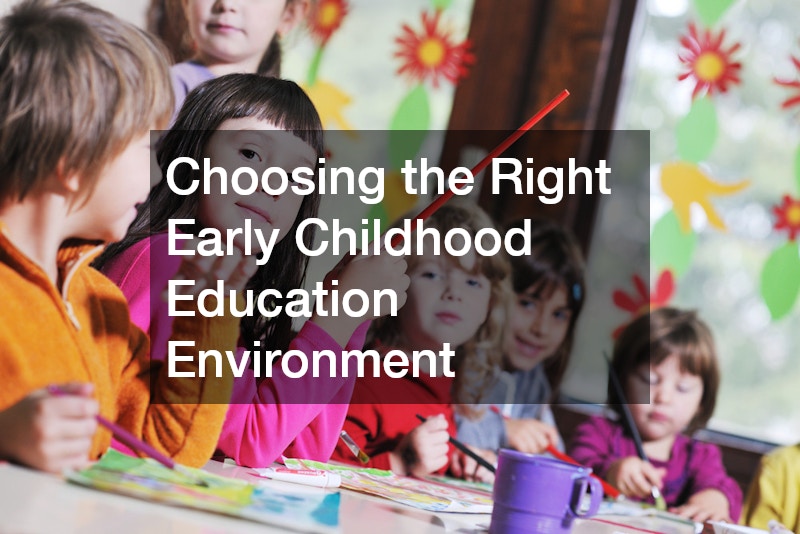
As your child grows from a dependent infant into an inquisitive toddler, their socialization and educational needs expand exponentially. Deciding how and where your child will spend their formative daytime hours is a significant milestone that requires careful deliberation. For working parents, selecting a high-quality daycare provider is often the first major operational decision. A premier care facility does more than simply monitor children; it provides a structured yet flexible environment where infants and toddlers can explore sensory materials, build emotional regulation, and learn the fundamentals of social interaction under the watchful eyes of certified early childhood educators.
As your toddler approaches preschool age, the focus shifts toward more deliberate preparatory learning. Researching the best preschools in your community involves evaluating curricula, teacher-to-child ratios, and institutional philosophies—whether you prefer a play-based, Montessori, Reggio Emilia, or academic-prep methodology. The ideal early education setting should feel like an extension of your home: safe, stimulating, inclusive, and deeply respectful of each child’s individual pace of development. When touring prospective facilities, observe the physical layout closely. Are the toys clean and age-appropriate? Is the outdoor play space securely fenced? Look for educators who respond to children with patience and actively encourage curiosity.
What Every Parent Should Know About Indoor Air Quality
We often think of environmental pollution as an outdoor issue, characterized by smog and vehicle exhaust. However, scientific studies consistently reveal that indoor air can be significantly more polluted than outdoor air. Given that infants and young children spend the vast majority of their time indoors and breathe more rapidly relative to their body weight than adults, maintaining pristine indoor air quality is a non-negotiable aspect of family health safety. Common indoor irritants include volatile organic compounds emitted by paints, household cleaning chemicals, pet dander, and dust mites.
Two silent, invisible threats deserve special attention from parents: mold and radon. Moisture accumulation from leaks, high humidity, or inadequate ventilation can lead to hidden fungal growth behind walls or under carpets. Exposure to mold spores can trigger severe respiratory distress, persistent coughing, and exacerbations of childhood asthma. If you discover a significant moisture problem, engaging professional services for comprehensive mold removals is essential to completely eradicate the spores and restore a breathable environment. Furthermore, radon—a naturally occurring radioactive gas that leaks from the soil into homes through foundation cracks—is the second leading cause of lung cancer globally. Because it is completely odorless and colorless, the only way to know if your nursery is safe is through routine radon testing. Implementing simple protocols, such as using HEPA purifiers and maintaining indoor humidity below fifty percent, creates a respiratory sanctuary where your child’s lungs can develop safely.
The Hidden Water Dangers Lurking in Your Home
Water is vital for mixing infant formula, cooking nutritious meals, and keeping your growing family hydrated. However, municipal water supplies and private wells alike can carry unseen contaminants that pose specific risks to developing neurological and physiological systems. Microscopic hazards such as lead from aging plumbing infrastructure, heavy metals, pesticides, microplastics, and chemical run-offs rarely alter the taste, color, or smell of your tap water, making them dangerously easy to overlook. Lead exposure, even at incredibly low levels, has been definitively linked to cognitive delays, behavioral challenges, and learning disabilities in young children.
To protect your household from these insidious aquatic threats, rely on scientific verification rather than guesswork. Initiating a comprehensive water quality test is the first step in identifying exactly what elements are present in your domestic supply. Once you possess a clear chemical analysis, investing in a robust, multi-stage water filtration installation is one of the most proactive health decisions a parent can execute. Whether you choose a point-of-use system attached directly to your kitchen faucet or a comprehensive whole-house filtration matrix, these systems utilize advanced carbon blocks and reverse osmosis to strip out harmful pathogens, heavy metals, and industrial chemicals. Providing your children with verified, pure water for drinking and bathing mitigates chronic toxicological exposure, ensuring that every sip supports their growing bodies.
Protecting Your Family From Outdoor Environmental Hazards
The great outdoors provides a magnificent playground for children, offering sensory-rich experiences that stimulate cognitive development, motor coordination, and a profound appreciation for nature. However, stepping outside the protective envelope of your home introduces a distinct set of environmental variables that require vigilant management. Sun protection is paramount; an infant’s delicate skin has minimal melanin and burns with alarming speed. Parents should utilize wide-brimmed hats, UV-blocking clothing, and broad-spectrum, mineral-based sunscreens specifically formulated for sensitive skin once the child is older than six months.
Another critical outdoor hazard is the presence of disease-carrying insects, particularly mosquitoes, which can vector dangerous pathogens like West Nile Virus. Protecting your backyard requires an integrated pest management approach. Eliminate any sources of standing water where insects breed. For homes located near dense woods, wetlands, or regions with high insect populations, establishing professional mosquito control protocols can drastically reduce localized pest pressures. When enjoying parks or wilderness trails, dress your children in light-colored, long-sleeved garments and apply pediatrician-approved insect repellents with caution. Teaching your children to respect outdoor boundaries, recognize toxic plants like poison ivy, and stay hydrated during warm weather allows them to harvest the immense benefits of outdoor play safely.
Creating a Safe and Nurturing Indoor Living Space
Your home should be a sanctuary, a secure haven where your child can explore and rest without encountering preventable hazards. As infants transition into crawling and walking toddlers, their innate curiosity drives them to touch, taste, and investigate everything. This developmental milestone necessitates a thorough, room-by-room childproofing process executed from your child’s eye level. Electrical outlets must be sealed with safety plugs, and all loose cords from blinds or electronics must be safely anchored to eliminate strangulation hazards.
Heavy furniture pieces pose severe tip-over risks and must be securely anchored to wall studs using safety straps. Install sturdy, hardware-mounted safety gates at the top and bottom of all staircases to prevent catastrophic falls. In the kitchen and bathrooms, install reliable childproof latches on all cabinetry to keep household cleaners and medications completely inaccessible. By systematically removing these hazards, you transform your living space into a liberating environment where your child can develop critical motor skills safely.
Building a Proactive Health Mindset
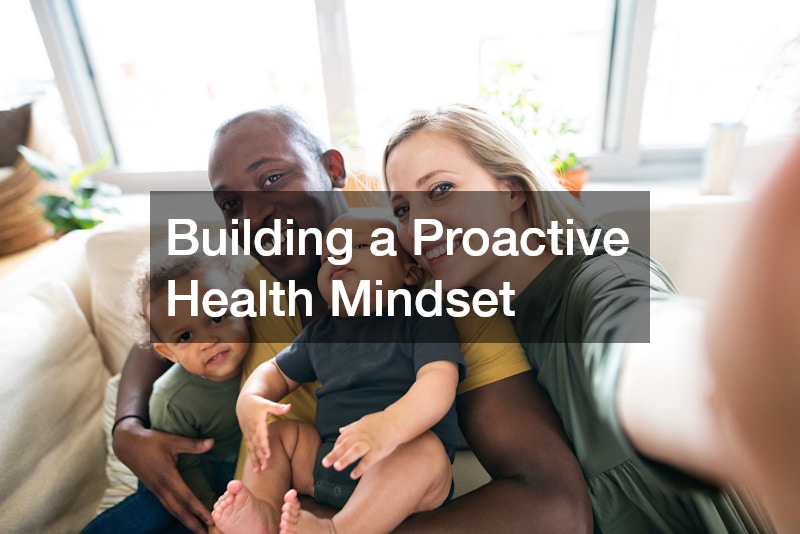
Modern healthcare is frequently criticized for focusing heavily on treating illnesses after symptoms manifest rather than preserving wellness beforehand. For a young family, adopting a robust, proactive health mindset represents a profound paradigm shift. This approach centers on creating daily rhythms and environmental conditions that actively build physiological resilience, optimize immune function, and prevent chronic conditions before they ever take root. A proactive health strategy prioritizes dense nutritional diversity, consistent sleep hygiene, daily physical activity, and emotional mindfulness within the household.
Adopting this lifestyle means looking at health holistically. It means realizing that the quality of the air your family breathes, the purity of the water they consume, the safety of their physical environment, and the emotional stability of their home are all interconnected components of a singular wellness matrix. A proactive mindset involves keeping detailed family health records, tracking developmental milestones, staying strictly up to date with preventative medical examinations, and addressing minor concerns before they escalate into crises. By shifting your family’s perspective to intentional, daily cultivation, you empower your children with physical vitality.
Navigating the complex, beautiful landscape of early parenthood is a journey of continuous learning and profound responsibility. While the considerations can occasionally feel daunting, you do not have to master every aspect overnight. By breaking down family wellness into manageable categories, you can systematically eliminate hazards and optimize your child’s development.
The effort you dedicate to childproofing your space and managing environmental risks forms a comprehensive safety net that protects your family’s most precious assets. Trust your parental instincts, seek out qualified professional partners when guidance is needed, and give yourself permission to learn along the way, providing your children with a secure, vibrant foundation to explore the world.