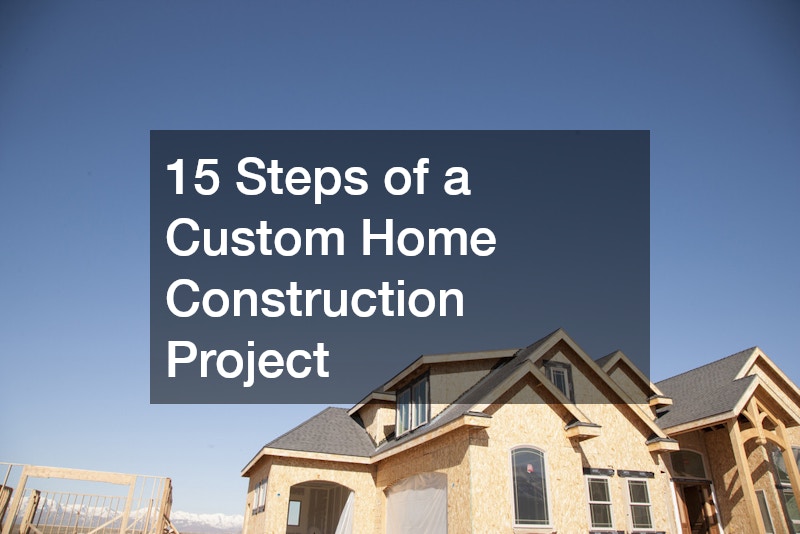
Building a custom home is exciting, but the process works best when every stage is handled with patience, planning, and a clear sense of order. A finished house may feel seamless once the keys are in hand, yet that result usually comes from dozens of coordinated decisions made long before move-in day. Understanding the major steps helps homeowners ask better questions, prepare for tradeoffs, and stay grounded when the project starts to feel more complex than expected.
A custom home project is not only about design preferences. It is also about timing, site conditions, budgets, construction sequencing, and the practical choices that affect how the home will function for years. When owners understand how the project unfolds from concept through completion, they are better positioned to make informed decisions and avoid treating every surprise as a setback. The process becomes much easier to manage when each step has a clear purpose and a realistic place in the overall timeline.
Step 1 Set The Vision And Priorities
A strong project begins with a realistic conversation about lifestyle, goals, and nonnegotiable features. Before floor plans are refined, owners should be able to explain how they want the home to live on an ordinary weekday, not just how they want it to look in photos. That early clarity gives the custom home builder a better foundation for turning preferences into a practical direction.
This first stage is also where overall expectations start taking shape. Room count, lot constraints, architectural style, storage needs, and long-term plans all influence the path ahead. A home is easier to design well when the vision is tied to everyday routines, future flexibility, and the kind of spaces the household will genuinely use instead of features that only sound appealing in the abstract.
Step 2 Evaluate The Lot Carefully
The land itself can shape the entire project more than first-time owners expect. Slope, drainage, setbacks, soil conditions, tree placement, sun exposure, and utility access all influence what can be built and what it will cost to build it well. A beautiful sketch means much less if the lot introduces expensive complications that were not considered early enough.
That is one reason buyers often compare several sites before committing. Looking at the project through the lens that local custom home builders use can help homeowners think more practically about grading, access, foundation strategy, and how the home will sit on the property instead of focusing only on the address or the view.
Step 3 Align The Team Around Scope
Once the vision and lot are clearer, the next priority is defining who is responsible for what and how the project will be managed. A good planning phase prevents confusion later by establishing communication expectations, design responsibility, pricing structure, and how changes will be handled once construction is underway. The earlier those expectations are spelled out, the easier it becomes to keep the project moving when decisions start arriving quickly.
This is also the point where owners should evaluate whether a custom home builder is truly the right fit for the project. Communication style, process discipline, and transparency often matter as much as design taste. A strong fit at the beginning can prevent frustration later when budgets tighten, scheduling shifts, or trade decisions require calm, direct coordination.
Step 4 Build The Budget Around Reality
A custom project needs a budget that can absorb both known costs and reasonable uncertainty. Site work, permitting, structural needs, finish selections, and utility coordination all add up quickly, and a plan that only covers ideal-case pricing tends to create avoidable stress. Owners are usually better served by a budget that protects essential priorities first and leaves room for conditions that become clearer after design and excavation begin.
This step also helps homeowners separate a ground-up build from work that might resemble remodeling services in scope or sequencing. The distinction matters because new construction has its own cost drivers, approvals, and scheduling logic. A realistic budget becomes much easier to defend when everyone understands what kind of project it actually is.
Step 5 Plan For The Future, Not Only Move-In Day
A custom home should work well at completion, but it should also leave room for life to change. Household size, aging in place, guest patterns, work-from-home needs, and outdoor use can all shift over time. Thinking ahead during planning often produces a home that stays useful longer and needs fewer disruptive changes after the first few years of occupancy.
That is why homeowners sometimes borrow planning lessons from home addition contractors even when the project is a brand-new house. The goal is not to design an unfinished home. It is to create a layout and structural plan that can adapt more gracefully if future needs eventually call for added square footage or a different use of space.
Step 6 Translate The Vision Into Construction Documents
Once the budget and overall direction are stable, the design has to become specific enough to build. Floor plans, elevations, structural details, material notes, and code-related requirements must move from concept to coordinated documents. This is the stage where preferences stop being broad ideas and start becoming instructions that the field team can actually price, schedule, and execute.
Clear documents also help a home construction business reduce ambiguity before work starts. The more thoroughly the project is documented, the less likely it is that field crews will be forced to guess at dimensions, sequencing, or material intent. That clarity protects both the schedule and the quality of the finished result.
A disciplined document set also creates a better handoff from design to field supervision. Any home construction business works more efficiently when selections, dimensions, and performance requirements are clear enough to reduce interpretation on site. That clarity does not remove every question, but it does keep avoidable confusion from slowing the project or creating expensive revisions once crews are already in motion.
Step 7 Secure Permits And Prepare The Site
Permitting can feel slow compared with the excitement of design, but it is one of the most important stages in the whole process. Reviews, revisions, approvals, and utility coordination all help ensure that the project is positioned to move forward legally and safely. Rushing this part usually creates trouble later, whether through delays, redesigns, or inspection issues that interrupt construction.
Site preparation starts the physical side of the work. Clearing, staking, excavation planning, and access setup may not look dramatic from a design standpoint, but they set the conditions for everything that follows. A smooth start on site usually reflects strong planning, because problems at this point often trace back to assumptions made too early.
Step 8 Build The Structural Shell
Once excavation, foundation work, and framing begin, the project starts becoming visibly real. Structure, roof framing, and weather protection all move to the foreground because the goal is to create a stable shell that can receive the next layers of work. This is where sequencing matters greatly, since errors hidden in the frame or envelope can affect everything that comes after.
The roof deserves especially careful attention at this stage. Homeowners often compare materials, warranties, and installation approaches with the same level of scrutiny they would use when evaluating roofing companies, because long-term protection depends on details that are easy to miss once the house is closed in.
It is helpful to remember that the roof is not only a finish choice. The sequencing, flashing details, drainage planning, and installation quality deserve the same scrutiny owners would use when speaking with multiple roofing companies before making a long-term decision. The goal is lasting protection, not just a surface that looks complete at a quick glance.
Step 9 Protect The Exterior Envelope
After framing is in place, the home needs durable protection from weather and moisture. Housewrap, flashing, exterior trim, and siding all play a role in defending the structure while also shaping the final appearance of the home. Exterior choices should balance aesthetics with maintenance expectations, climate conditions, and how well the assemblies work together over time.
This stage is also one of the clearest reminders that good design is not only visual. The exterior envelope has to perform before it can impress. A house may photograph beautifully, but it will not age well if the weatherproofing details behind the finish materials were treated as secondary concerns.
Step 10 Coordinate Plumbing And Mechanical Rough-Ins
Before walls are closed, the systems inside them need to be coordinated carefully. Water lines, drains, vents, equipment locations, and fixture placement all need enough attention to support daily function and future service access. Good planning here can make the difference between a house that feels thoughtfully engineered and one that quietly carries awkward system compromises behind the walls.
That is why many owners want to know early which plumbing company will be handling rough-in work and final fixture connections. Plumbing decisions affect kitchens, baths, laundry areas, water heater placement, and even how cleanly storage or cabinetry can be designed around those systems.
Late changes in fixture locations or cabinetry can have ripple effects, which is why coordination matters so much. A reliable plumbing company can help identify access concerns, venting implications, and practical service needs before finishes make those adjustments harder. Good rough-in planning usually saves money because it protects against avoidable rework in some of the most-used rooms in the house.
Step 11 Plan Heating And Cooling With Daily Life In Mind
Comfort is not only about choosing equipment. It is also about duct layout, zoning logic, ventilation, noise control, and how the home will actually feel in different seasons and different parts of the day. A good plan accounts for sunlight patterns, room usage, ceiling height, and the fact that comfort complaints often come from layout issues as much as from equipment issues.
Owners often ask a local HVAC company to explain how the design will support airflow, return paths, and equipment sizing before finishes go in. That conversation is valuable because comfort systems are easiest to optimize while the house is still open enough to adjust the plan.
Mechanical comfort should also be judged as a daily experience rather than a specification sheet. When a local HVAC company is brought into the discussion early enough, the team can think more carefully about register placement, equipment access, and how to reduce hot or cool spots before the walls and ceilings are fully finished.
Step 12 Move Into Insulation And Interior Surfaces
Once rough inspections are complete, the project can begin shifting from hidden systems to visible surfaces. Insulation, drywall, interior millwork, flooring prep, and paint all start moving the home from a construction site toward something that feels recognizably livable. This phase often feels fast from the outside, but it depends heavily on the accuracy of the work that came before it.
It is also a stage where homeowners start seeing how earlier choices affect the final feel of the house. Natural light, room proportions, sight lines, and storage capacity all become easier to judge once the interiors take shape. Good planning tends to feel more tangible here because the spaces finally begin behaving the way the drawings promised.
Step 13 Shape Outdoor Living Areas
Outdoor spaces should feel connected to the home rather than added as an afterthought. Patios, walkways, drainage strategy, grading, and deck installation all influence how people arrive, gather, and use the property once construction is complete. Exterior living areas work best when they are planned early enough to align with door locations, finished floor heights, and how the interior spaces open outward.
This same stage is also where exterior finish coordination matters again. Transitions between trim, flashing, and siding need to support both performance and appearance, especially where outdoor structures tie into the main house. Clean connections help the finished property feel intentional instead of pieced together.
Outdoor planning is also where homeowners decide whether entertaining, quiet seating, or circulation should lead the design. Thoughtful deck installation can turn that discussion into a durable extension of the home instead of a feature that feels disconnected from the rest of the layout. The best results usually come from treating the outdoor area as part of the original concept, not as leftover scope.
Step 14 Complete Fixtures, Finishes, And Final Systems
As the project nears completion, the focus shifts to the details homeowners interact with every day. Cabinets, counters, lighting, plumbing fixtures, hardware, appliances, and finish carpentry all need to be installed and adjusted with care. The difference between a house that feels polished and one that feels merely completed often comes down to how carefully these late-stage details are handled.
At this point, homeowners may also notice how new construction differs from remodeling services they have experienced in the past. In a full custom build, the final phases still depend on tight sequencing across many trades, and even small delays in one finish category can affect the readiness of several others.
Step 15 Walk Through, Correct, And Prepare For Move-In
The final step is not just getting a certificate and picking up the keys. It is a careful review of the house to identify incomplete items, test systems, understand maintenance needs, and make sure the finished work matches the original intent as closely as possible. A disciplined final walkthrough gives owners the chance to ask questions while the details are still fresh and while the team can still address corrections efficiently.
This is also where homeowners often appreciate the value of staying organized throughout the project. Input from local custom home builders, trade partners, and the field team tends to be most useful when it is turned into clear punch-list items, operating instructions, and a realistic plan for settling into the home without losing track of follow-up details.
The closeout stage can also help owners think beyond immediate occupancy. Even on a new house, lessons from home addition contractors can be useful when homeowners want to preserve structural records, utility maps, and framing information that may support future changes without guesswork. Good records make later decisions easier, whether the house stays exactly as built or evolves over time.
A successful custom home project is not defined by one dramatic moment. It is the product of many linked decisions, each one building on the last with enough care to protect both the vision and the practical needs of the household. From early planning and site review through system coordination, finish work, and final walkthroughs, each step serves a purpose that becomes easier to respect once the whole process is visible. Homeowners who understand that sequence are usually better prepared to ask sharper questions, make calmer decisions, and stay focused on long-term livability instead of short-term pressure. That mindset leads to a home that not only looks personal on day one, but also performs well for years after construction ends.