
Between work schedules, school responsibilities, extracurricular activities, and household obligations, finding time for family can be challenging. Even when everyone lives under the same roof, busy routines can make it difficult to spend quality time together. However, building stronger family connections does not always require elaborate vacations or carefully planned outings. Often, the most meaningful experiences come from simple activities that encourage conversation, laughter, and shared memories. Making family time a priority helps create an environment where everyone feels valued and connected.
Creating Family Memories Through Creative Projects
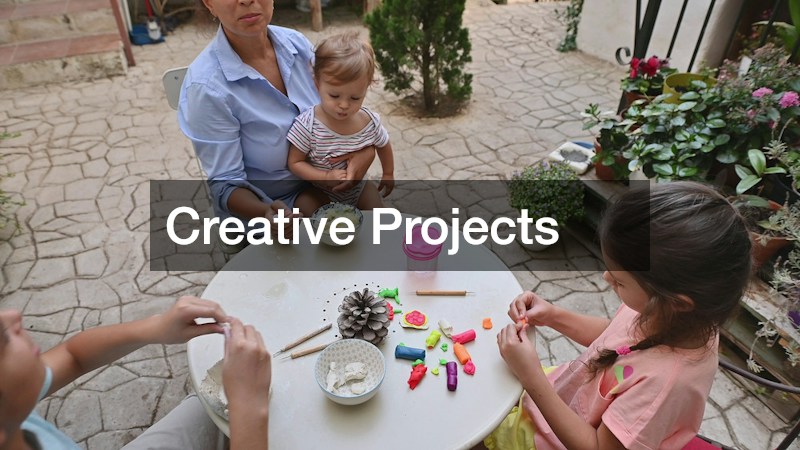
Creative activities give family members a chance to express themselves while working toward a shared goal. Painting, crafting, scrapbooking, decorating, and photography projects can all encourage collaboration and conversation. These activities are especially valuable because they allow everyone to contribute according to their interests and abilities. Younger children might enjoy choosing colors or adding decorations, while older family members can help organize materials and develop the overall design. Working together also creates opportunities to exchange ideas, solve small problems, and appreciate everyone’s contributions.
One particularly meaningful project is putting together a collection of photographs that captures important family experiences. Pictures from birthdays, holidays, vacations, school events, and everyday adventures can be organized into a display that celebrates the family’s history. A custom picture frame can make a favorite photograph even more special, particularly when family members help select its design or decorate it together. Visiting a frame shop can also turn the experience into a small family outing, giving everyone an opportunity to explore different styles and materials. Once the project is complete, the finished display becomes a reminder of the experiences shared along the way.
Working Together to Refresh and Improve the Home
Home improvement projects can be another unexpected way to bring family members together. Although major renovations may require professional assistance, smaller decorating and organizing projects can involve everyone. Families can work together to rearrange furniture, organize shared spaces, select new decorations, or create more functional areas for relaxing and spending time together. These activities encourage teamwork while giving everyone a sense of ownership over the spaces they use every day. They can also provide opportunities for children to learn about organization, planning, and caring for their surroundings.
Refreshing a room can be particularly rewarding when the entire family contributes ideas. One person might suggest a new color scheme, another may work on floral arrangements for shared living spaces, while another helps choose accessories or organize furniture. When larger changes are planned, an interior painting service can help transform a common area into a more welcoming environment. Family members can participate in choosing colors, discussing the atmosphere they want to create, and deciding how the finished room should be arranged. Even when professionals handle the actual work, involving everyone in the planning process makes the improvement feel like a shared accomplishment.

Making Mealtimes an Opportunity for Connection
Sharing meals is one of the easiest ways for families to create consistent opportunities for conversation. Busy schedules sometimes lead everyone to eat at different times or rely on quick meals between activities. However, making an effort to gather around the table regularly can provide a welcome break from daily distractions. Family meals create a natural setting for discussing school, work, friendships, upcoming plans, and memorable moments from the day. They also give parents and children opportunities to learn more about one another without the pressure of organizing a formal activity.
Families can make mealtimes more enjoyable by introducing variety and inviting everyone to participate. Children might help choose a weekly menu, select ingredients, or prepare a simple part of the meal with appropriate supervision. Special occasions can include favorite foods, themed dinners, or a dessert everyone looks forward to sharing. Visiting a bakery for fresh pastries can also become part of a weekend tradition, giving family members something fun to anticipate. Another idea is to designate one evening each week as a family dinner night when everyone makes an effort to be present.
Exploring New Restaurants and Shared Food Experiences
Trying different foods can turn an ordinary evening into an opportunity for family adventure. Visiting restaurants together exposes family members to new flavors, dining styles, and cultural experiences. It also gives everyone a chance to participate in choosing an outing and sharing their opinions about the experience. Families can make restaurant visits more engaging by taking turns selecting the destination or choosing a particular type of cuisine to explore. Over time, these outings can become traditions that encourage curiosity and create memories associated with special occasions.
Different dining environments can offer experiences that appeal to a variety of ages and interests. A BBQ restaurant might be an excellent choice for a relaxed family gathering where everyone can enjoy familiar favorites and a casual atmosphere. Alternatively, a Hibachi restaurant can provide an entertaining dining experience through interactive food preparation and live cooking demonstrations. Families can also explore neighborhood eateries, international cuisine, and seasonal dining destinations. Your family has an opportunity to support nearby businesses while discovering places they might otherwise overlook. The most important part of these outings is not necessarily the food itself but the opportunity to spend uninterrupted time together.

Planning Outdoor Adventures That Everyone Can Enjoy
Spending time outdoors offers families an excellent opportunity to disconnect from everyday distractions and enjoy one another’s company. Parks, nature trails, beaches, botanical gardens, and recreational areas provide settings for activities that accommodate different ages and abilities. A family walk, picnic, bike ride, or afternoon exploring a nearby nature preserve can be just as rewarding as a more elaborate excursion. Outdoor activities also allow family members to experience something together rather than simply sitting in the same room. Discovering a new trail or enjoying a beautiful view can create shared memories that everyone remembers.
Families can make outdoor adventures more exciting by trying activities they have never experienced before. Depending on the season and available locations, possibilities might include kayaking, fishing, camping, paddleboarding, or visiting a local recreation center. For families who enjoy spending time on the water, standup paddleboards can introduce an exciting way to explore lakes and calm waterways together. Beginners should choose appropriate locations, wear properly fitted personal flotation devices, and receive instruction when needed. Families should also consider individual comfort levels and select activities that allow everyone to participate safely.
Starting Family Traditions That Bring Generations Together
Family traditions help create a sense of belonging and give everyone something meaningful to anticipate. While major holidays and birthdays naturally provide opportunities for gathering, families can also establish smaller traditions throughout the year. Monthly game nights, annual camping trips, seasonal outings, and regular family breakfasts at a local restaurant can all become important parts of a shared routine. These traditions do not need to be expensive or elaborate. Their value comes from the consistency of bringing people together and creating experiences that family members associate with one another.
Including grandparents, cousins, aunts, uncles, and other relatives can make these traditions even more meaningful. Older family members often have stories, experiences, and skills they can share with younger generations. Families might organize storytelling evenings, cooking gatherings featuring traditional recipes, or activities centered around preserving family photographs and memories. Children can ask relatives about their childhoods, learn about family history, or participate in activities that have been passed down through generations.

Using Personalized Gifts and Keepsakes to Celebrate Family Connections
Thoughtful gifts and personalized keepsakes can provide another way for families to celebrate their relationships. Rather than focusing exclusively on expensive purchases, family members can exchange items that reflect shared experiences, favorite memories, or individual interests. Handmade gifts, customized accessories, photo collections, and personalized home decorations can all carry special meaning. The process of creating these items can also become a family activity, allowing everyone to contribute ideas and make something together. These projects are particularly enjoyable around holidays, birthdays, anniversaries, and other important milestones.
Families might create matching shirts for a vacation, personalized accessories for a reunion, or commemorative items to celebrate a special occasion. Working with a local embroidery service can provide opportunities to customize clothing, bags, towels, and other useful items with family names, dates, or meaningful designs. Children can help select colors and designs, while adults coordinate the details. Another idea is to create an annual family keepsake that reflects an important event from the previous year. Over time, these items can become part of a collection that documents the family’s experiences and growth.
Encouraging Screen-Free Time and Meaningful Conversations
Technology makes it easier than ever to communicate, but constant access to phones, tablets, televisions, and computers can sometimes interfere with meaningful family interaction. Even when family members are physically together, individual screen time can make it difficult to have conversations or participate in shared activities. Establishing screen-free periods can help everyone become more present. This does not mean eliminating technology entirely. Instead, families can identify certain occasions when devices are put away so that attention can be directed toward the people in the room.
A screen-free dinner, weekend morning, or evening activity can provide a simple starting point. Families might use that time to play board games, complete puzzles, read together, or discuss interesting topics. Conversation can also become more engaging when everyone has an opportunity to contribute. Parents can ask children about something that made them happy, encourage them to share a recent accomplishment, or invite them to talk about something they would like to try. Adults should also be willing to share their own experiences and listen without immediately offering solutions. Creating a comfortable environment for open communication helps family members feel heard and understood.
Giving Back to the Community as a Family
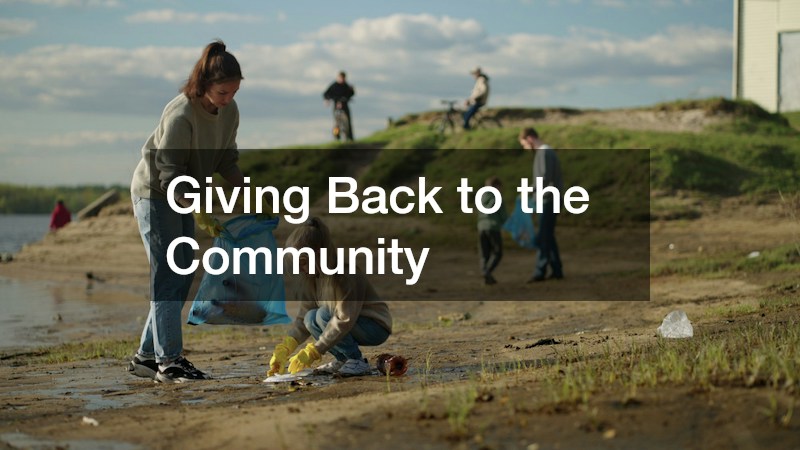
Volunteering and community involvement provide opportunities for families to connect while making a positive contribution beyond their household. Participating in charitable activities helps children understand the importance of kindness, responsibility, and helping others. Families can choose projects that align with their interests, such as organizing donations, participating in community cleanups, supporting food drives, or helping at local events. These activities demonstrate that spending meaningful time together does not always have to center on entertainment. Working toward a shared purpose can be just as rewarding.
The best volunteer opportunities are those that allow everyone to participate in an age-appropriate way. Younger children might help organize donated supplies, while older family members can assist with more involved responsibilities. Families can also make community service a recurring tradition by selecting one project to support each season or participating in an annual neighborhood event. Discussing the experience afterward can help children understand why the activity mattered and how their contributions made a difference. Community involvement also introduces families to new people and organizations, helping them develop stronger connections with the places where they live.
Balancing Individual Interests With Shared Family Activities
Although spending time together is important, meaningful family connections also require respecting individual personalities and interests. Not everyone enjoys the same activities, and expecting every family member to participate enthusiastically in everything can create unnecessary frustration. One person might prefer outdoor adventures, while another enjoys creative projects, sports, reading, or quiet activities at home. A balanced approach allows family members to maintain their individual interests while finding experiences they can enjoy together. This helps ensure that family time feels inviting rather than like another obligation.
A helpful strategy is to rotate activity choices so that everyone has an opportunity to introduce something they enjoy. One weekend might involve attending a sporting event, while another could feature a craft project or visit to a museum. Families can also look for activities that combine different interests. For example, someone who enjoys photography might document a family hike, while another member could plan the route or organize a picnic afterward. Giving everyone a voice in the planning process encourages cooperation and makes family members feel appreciated.
Building strong family connections is an ongoing process that develops through everyday choices and shared experiences. Finding opportunities to connect throughout ordinary weeks can help establish a foundation of trust, support, and appreciation. Consider these ideas as you navigate family connection with your loved ones!