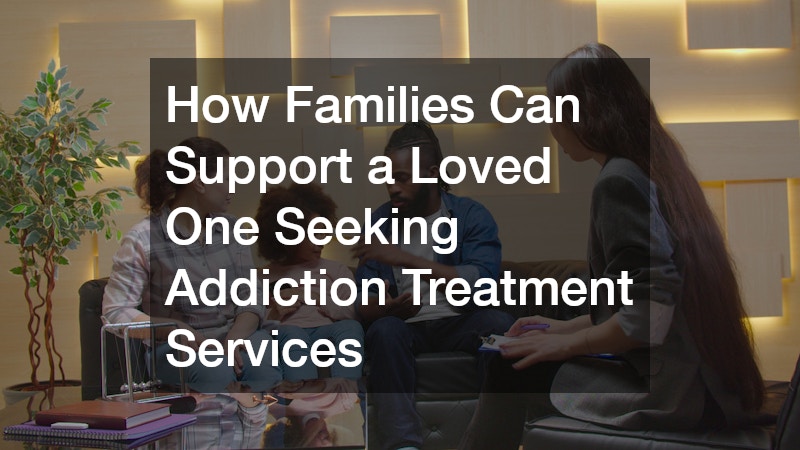
When someone you love is struggling with substance use, the effects can reach the entire family. Relatives may feel worried, frustrated, confused, or uncertain about how to help. Learning how to support someone seeking addiction treatment services can make the recovery process feel less isolating while helping family members maintain healthy relationships and expectations.
Learn About Addiction and Treatment
Understanding addiction can help families replace judgment with compassion. Substance use disorders are complex, and they can affect a person’s behavior, relationships, decision-making, and overall well-being.
Learning about addiction can make it easier to recognize that recovery is a process rather than an overnight change.
Families can research different treatment approaches, learn about substance use disorders, and become familiar with what recovery may involve. This knowledge can help relatives have more productive conversations with their loved one and avoid relying on misconceptions about addiction.
It is also important to remember that every person’s recovery can look different. What works for one individual may not be appropriate for another, which is why professional guidance can be valuable.
Understand What Treatment May Involve
Addiction treatment may include individual counseling, behavioral therapies, group support, educational sessions, and recovery planning. Depending on a person’s circumstances, treatment may occur in different settings and involve varying levels of support.
Family members can ask appropriate questions about the program and learn how they may be involved. Understanding the treatment process can make it easier to offer encouragement without making assumptions about what a loved one needs.
Offer Support Without Taking Over
Supporting someone through recovery does not mean taking control of every decision. A person receiving addiction treatment should remain involved in choices about their recovery whenever possible. Family members can provide encouragement, help with practical needs, and be available when their loved one wants to talk.
Listening can be especially valuable. Instead of immediately offering solutions, relatives can give their loved one an opportunity to explain what they are experiencing. Recovery can involve uncertainty, difficult emotions, and unexpected challenges, so having someone willing to listen can provide meaningful support.
Families should also recognize that they cannot make recovery happen for someone else. Their role is to encourage and support while allowing the individual to take responsibility for their own progress.
Practice Compassionate Communication
The way family members communicate can have a significant effect on difficult conversations. Calm, supportive language can help create an environment where someone feels more comfortable discussing treatment and recovery.
Rather than using blame or criticism, relatives can focus on expressing concern. Statements that communicate care may be more productive than accusations or lectures. Listening without interrupting can also demonstrate that the person’s feelings and experiences matter.
If a loved one expresses concerns about treatment, family members do not necessarily need to have all the answers. Simply listening and encouraging them to discuss those concerns with their treatment professionals can be helpful.
Create a Supportive Environment at Home
The home environment can influence how comfortable someone feels while working toward recovery. Families can consider whether certain situations, substances, or social activities could create unnecessary pressure or temptation.
When appropriate, reducing exposure to substances in the home may help create a more supportive environment. Families can also encourage healthy routines involving sleep, meals, exercise, hobbies, and other positive activities.
Small changes can make everyday life feel more structured. However, family members should avoid treating every activity as a test of recovery. Encouragement works best when it allows the person to build healthy habits at a manageable pace.
Take Care of Yourself While Supporting Recovery
Addiction can be stressful for the entire family, which means relatives should not overlook their own well-being. Family members may benefit from counseling, support groups, trusted friends, or other resources that give them a place to discuss their experiences.
Taking care of yourself is not selfish. Maintaining your own physical and emotional well-being can make it easier to remain patient, present, and supportive without becoming overwhelmed.
Families cannot complete recovery for their loved one, but they can provide encouragement, understanding, and stability along the way. Learning about addiction, communicating compassionately, establishing healthy boundaries, creating a supportive environment, and caring for themselves can help relatives provide meaningful support.
Seeking professional addiction treatment services is an important step toward recovery, and having supportive people nearby can make that process feel less overwhelming. With patience, appropriate boundaries, and professional guidance, families can play a positive role while allowing their loved one to take ownership of the recovery journey.