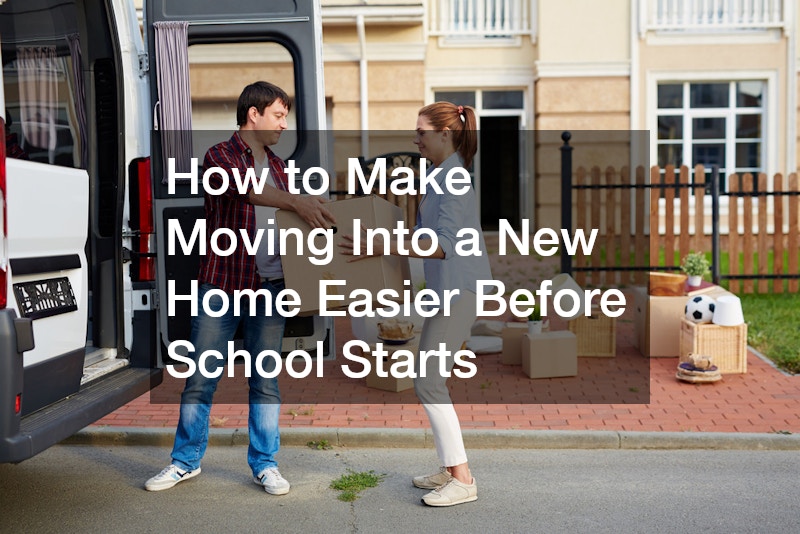
Moving into a new home is a major transition for the whole family, and doing it right before school starts can make the process feel even more hectic. Between packing boxes, arranging furniture, preparing school supplies, and helping children adjust to a new environment, it can seem like there is never enough time to get everything done.
Fortunately, your home does not have to be completely unpacked and perfectly organized before the first day of school. With some advance planning and a focus on the things your family needs most, you can create a comfortable space and establish a routine that makes the transition much easier.
Start Preparing Before Moving Day
The earlier you begin preparing for the move, the less stressful the final few days are likely to be. Rather than trying to pack and organize everything at once, create a schedule that breaks the process into manageable tasks.
Start by making a list of everything that needs to be completed before the move, including packing, changing your address, transferring school records, setting up utilities, and purchasing school supplies. Mark important dates on a calendar so you can see how much time you have between moving day and the start of the school year.
If you plan to hire moving services, arrange them as early as possible so you have more flexibility when choosing a moving date. Having professional help with the physical move can also give you more time to focus on your children and the other preparations that need your attention.
Learn About the New School
A new school can be one of the biggest adjustments children face after moving, particularly if they are leaving behind friends, teachers, and a familiar routine. Learning about the new school before the first day can help make the experience feel less unfamiliar.
Find out when school starts, how your children will get there, what time they need to arrive, and whether there are any registration requirements or special activities before classes begin. If the school offers an orientation or open house, consider attending so your children can see the building and become familiar with their surroundings.
For younger children, even knowing where their classroom, cafeteria, playground, and restrooms are located can make the first day less intimidating. Children entering an elementary school may especially appreciate having an opportunity to see the building before they are expected to navigate it on their own.
If you are still deciding where your children will attend school, take time to research the options in your new community. Depending on your preferences and location, private schools may also be worth considering as part of your search.

Pack the Things You Will Need First
One of the most frustrating parts of moving is arriving at your new home and realizing that something important is buried inside one of dozens of boxes. Avoid this problem by creating an essentials box that contains the items your family will need immediately after arriving.
Include toiletries, towels, medications, chargers, basic kitchen supplies, snacks, a few changes of clothes, important documents, and anything else your family uses every day. School supplies should also be kept somewhere accessible so you are not searching through boxes the night before classes begin.
It can also help to prepare a separate bag for each child with pajamas, a change of clothes, personal items, and their school backpack. Keeping these belongings together means everyone can settle in more easily even if the rest of the house is still surrounded by boxes.
Set Up Bedrooms Before Everything Else
You do not need to unpack the entire house immediately, but bedrooms should be one of your first priorities. After a long moving day with help from a house moving company, having a clean bed and a quiet place to sleep can make the new house feel much more comfortable.
Assemble beds, put sheets on the mattresses, unpack a few favorite belongings, and make sure everyone has access to basic clothing. For children, bringing out familiar blankets, stuffed animals, books, or decorations can help make their new room feel like their own.
Allowing children to have some input can also make the transition easier. Let them decide where certain toys or decorations should go, or allow them to help organize their belongings so they feel involved in creating their new space.

Create a School-Friendly Morning Routine
Once you are in the new home, establish your school-day routine before the first morning arrives. Figure out where backpacks will go, where shoes and jackets will be kept, and where everyone will eat breakfast.
A small entryway organization area can make mornings much easier. Hooks for backpacks and jackets, baskets for shoes, and a designated spot for school supplies can prevent everyone from searching for missing items when it is time to leave.
It is also worth practicing the morning routine once or twice. Determine how long breakfast, getting dressed, packing lunches, and traveling to school actually take so you can give everyone enough time on the first day.
Make Sure the Home Is Comfortable
Before school begins, make sure the home’s essential systems are working properly. Electricity, water, heating and cooling, internet, and other services should be ready so your family can settle into a normal routine.
If the heating or cooling system needs attention, HVAC contractors can inspect the equipment and address potential problems. Taking care of these concerns before the school year begins can help prevent an uncomfortable surprise when your family is already busy.
It is also useful to familiarize yourself with the home itself. Locate the electrical panel, water shutoff, thermostat, smoke detectors, and other important features so you know where they are if you need them.

Take Care of Important Repairs
Moving is also a good opportunity to identify maintenance issues that need attention. Walk through the home and make note of anything that could affect your family’s comfort, safety, or ability to use the property.
Pay particular attention to the roof and look for signs of leaks or damage. If you notice a problem that needs professional attention, a roofing contractor can assess the condition of the roof and determine what work may be necessary.
The property’s exterior deserves attention too, especially if you have children who will be playing outside. If the fence needs repairs or replacement, fencing contractors can evaluate the existing structure and discuss appropriate options.
You should also consider how water drains away from the house. If the property needs new gutters, seamless gutter installation is one option you may discuss with a qualified professional.
Not every repair needs to be completed before school starts, however. Focus on projects that affect safety, security, comfort, or essential household functions, and save cosmetic improvements for later.
Avoid Taking On Too Many Renovations
It is easy to become excited about making a new house feel like your own. You may want to paint several rooms, replace flooring, change fixtures, or completely redesign certain spaces before school starts.
Trying to complete too many projects at once, however, can make the move considerably more stressful. If the home needs larger changes, home remodeling services can be considered for projects that require more planning and professional work.
Instead of trying to transform the entire property immediately, choose a few improvements that will have the greatest impact on your family’s daily life. You can always tackle additional projects after everyone has settled into the new routine.
In fact, living in the home for a while can help you make better decisions. Once you understand how your family actually uses each room, you may discover that your original plans need to be adjusted.
Organize School Supplies and Homework Areas
School supplies should be one of the first things you unpack. Keep backpacks, notebooks, pencils, folders, lunch containers, and other essentials together so your children know exactly where everything is.
If possible, create a dedicated homework area before school starts. It does not have to be an elaborate office; a comfortable chair, a desk or table, good lighting, and a place for supplies can give children a consistent space for completing their work.
If several children share a workspace, give each child a designated area or storage container. This can keep supplies organized and prevent schoolwork from becoming mixed together during the busy first few weeks.
Help Your Children Feel at Home
Moving can be exciting for children, but it can also bring feelings of uncertainty. They may miss their old home, friends, neighborhood, or school even if they are looking forward to the new experience.
Bring familiar belongings into their rooms as soon as possible. Family photographs, favorite toys, books, blankets, and decorations can make an unfamiliar house feel more recognizable.
Try to maintain some of your family’s normal traditions, too. Whether that means eating dinner together, having a weekly movie night, or visiting a favorite type of place on the weekend, familiar routines can provide stability during a period of change.
Explore the New Neighborhood
Before school begins, spend some time getting familiar with the area around your new home. Visit nearby parks, stores, libraries, community centers, and other places your family may use regularly.
If your children will walk or bike to school, practice the route together and talk about important safety considerations. Families who will drive should also make a few practice trips so everyone knows how long the journey takes during normal school hours.
Exploring the neighborhood can help children become more comfortable with their new surroundings. It can also give the entire family an opportunity to discover places that may eventually become part of your regular routine.
Keep Important Documents Organized
Moving involves a surprising amount of paperwork, so establish one safe place for important documents. Keep school records, insurance information, home documents, warranties, inspection reports, and other paperwork together rather than allowing them to get scattered among moving boxes.
If you recently purchased the property, make sure closing documents are stored somewhere secure. A house closing lawyer may have helped with the legal side of the purchase, so keep any documentation associated with that process readily accessible.
You should also update your address with schools, banks, insurance companies, employers, subscription services, and other organizations that need your current information. Taking care of these changes early can prevent confusion later.
Plan Easy Meals for the First Week
Cooking elaborate meals is probably the last thing you will want to do immediately after moving. With dishes still packed and everyone adjusting to the new home, simple meals can make the first week much easier.
Stock the kitchen with easy breakfast foods, snacks, lunch ingredients, and a few dinners that require minimal preparation. If possible, prepare and freeze a few meals before moving day so you have convenient options available.
Once school begins, preparing lunches and breakfasts the night before can save valuable time in the morning. A simple meal plan can also help you avoid unnecessary trips to the grocery store during an already busy week.
Make Moving Day Easier
Moving day will likely be one of the busiest parts of the entire process, so keeping it organized can make a noticeable difference. Prepare personal bags for each family member with clothing, toiletries, medications, chargers, snacks, and other necessities.
Label boxes clearly and identify the ones containing essential items. If possible, keep important documents and valuables with you rather than packing them away with household belongings.
Before leaving your old home, check closets, cabinets, drawers, garages, sheds, and other storage areas. Once you arrive at the new property, focus on setting up the bedrooms, bathrooms, and kitchen before worrying about less frequently used spaces.
Prepare the Night Before School
The evening before the first day of school should be about creating a calm start rather than rushing to finish the entire move. Choose everyone’s clothes, pack backpacks, prepare lunches, and place shoes and jackets somewhere easy to find.
Review the morning schedule with your children so they know when they need to wake up and leave. If they are nervous about their first day, giving them a clear idea of what will happen can help reduce some of that uncertainty.
Try to leave extra time in the morning, especially during the first few days. Everyone will still be learning where things are in the new home, and having a little breathing room can prevent small problems from becoming major sources of stress.
Give Your Family Time to Settle In
A successful move is not measured by how quickly every box disappears. Your family may need several weeks or even months to fully settle into a new home, and that is completely normal.
Focus first on creating a space where everyone can sleep comfortably, get ready for school, prepare meals, complete homework, and relax. Once those basic needs are covered, you can gradually work through the remaining boxes and projects.
Most importantly, give your children and yourself time to adjust. Moving before a new school year can be demanding, but careful preparation can turn the experience into an exciting new beginning rather than an overwhelming rush.
With a little planning, your family can enter the school year with a comfortable home, a predictable routine, and a greater sense of confidence about the changes ahead. You do not need everything to be perfect on the first day; you simply need a solid foundation from which your family can begin this next chapter.