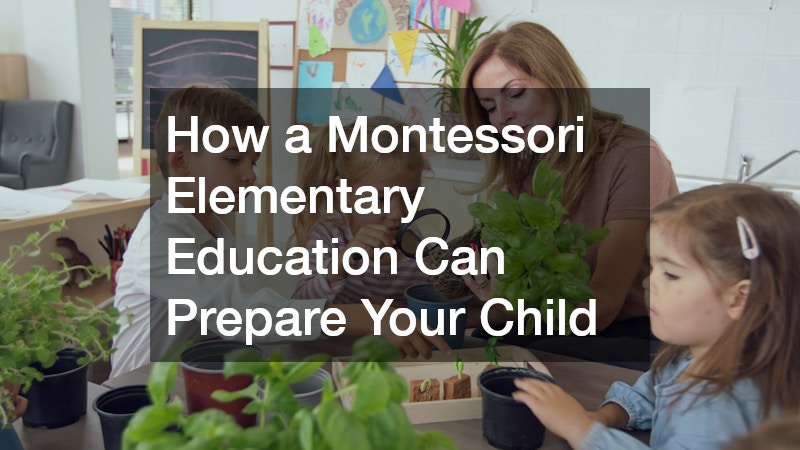
Highlights
- Exploration of the Montessori elementary school methodology.
- Unique educational structure fostering independence and creativity.
- Benefits of Montessori education on childhood development.
- Insights into the skills children acquire in Montessori schools.
- How Montessori elementary schools are different from traditional schools.
- The role of the teacher in nurturing a child’s exploration and learning.
What Makes Montessori Education Unique?
Montessori elementary schools offer a distinctive educational approach that emphasizes self-directed activity, hands-on learning, and collaborative play. In Montessori classrooms, children make creative choices, supported by trained teachers who are deeply knowledgeable about the Montessori method.
According to the American Montessori Society, the method was developed by Dr. Maria Montessori and is built on the belief that children learn best in a nurturing environment that supports their innate curiosity and desire to learn.
What Are the Key Features of Montessori Elementary Schools?
- Child-Centered Learning: Students take charge of their learning journey, pacing themselves and exploring topics in depth.
- Mixed-Age Classrooms: Encourages younger children to learn from older peers, while older students reinforce their skills by teaching concepts they have mastered.
- Hands-On Learning Materials: Montessori schools use specialized materials designed to enhance understanding through engagement.
- Prepared Environment: Classrooms are structured to allow freedom within limits, fostering self-discipline and independent problem-solving.
How Does Montessori Education Impact Child Development?
Montessori education impacts child development by fostering intellectual, social, and emotional milestones at each stage. The Montessori elementary school curriculum nurtures a child’s inherent love of learning, encouraging them to become active seekers of knowledge. Research from Harvard’s Center on the Developing Child highlights the importance of stimulating activities and a positive social environment to promote healthy brain development in early childhood. This approach aligns with Montessori’s practice of offering rich, experiential learning opportunities.
What Skills Do Children Acquire in Montessori Schools?
- Critical Thinking: Learners enhance problem-solving skills as they navigate their educational experiences.
- Collaboration: Children work in groups, sharing ideas and building cooperative skills necessary for future education.
- Adaptability: Students become flexible thinkers, readying them for diverse challenges.
- Self-Motivation: The intrinsic motivation cultivated by choosing their own learning paths helps children become lifelong learners.
Why Choose a Montessori Education Over Traditional Schooling?
Choosing to educate your child through the Montessori method, as opposed to the conventional routes of traditional schooling, offers a distinctive approach to both child growth and educational achievement. A Montessori education stands out by emphasizing a “whole child” development philosophy. This involves paying close attention to not only the cognitive development of a child but also ensuring that their emotional, social, and physical needs are met. Such a comprehensive and holistic approach is designed to nurture a child’s full range of abilities and foster balanced development.
In contrast, traditional schooling often adopts a more structured and standardized approach to education. Traditional systems can appear to prioritize outcomes such as test scores and rote memorization over other key aspects of a child’s development. The rigidity of this system can sometimes overlook the individual learning styles and paces at which different children excel. This is why many parents and educators find the Montessori model especially appealing, as it allows for more flexibility and adaptability to a child’s personal developmental needs.
Edutopia highlights the numerous ways in which educators observe students thriving within the Montessori settings. These educational environments place significant value on nurturing student autonomy — providing children with the freedom to choose activities that match their interests and engage with them at their own pace. Moreover, respect is a cornerstone of the Montessori philosophy, where children are entrusted with responsibilities that bolster their self-esteem and encourage independence. Teachers act as guides rather than authoritative figures, facilitating an atmosphere of mutual respect and collaboration.
Ultimately, the decision to choose a Montessori education over traditional schooling is rooted in these fundamental differences; the aim is to create an enriching learning environment that helps children not only absorb knowledge but also develop qualities such as critical thinking, problem-solving, and emotional intelligence. By addressing the complete spectrum of a child’s needs, Montessori education prepares students to become well-rounded individuals who are capable of facing the multifaceted challenges of life with confidence and resilience.
What Role Do Teachers Play in Montessori Schools?
In a Montessori elementary school, teachers act as guides rather than traditional instructors. Their role is to observe students individually, understand their unique needs and interests, and then provide resources and support to help them achieve their learning objectives. Teachers in Montessori settings create a prepared environment that invites students to explore and discover, much like a learner’s laboratory. This contrasts with conventional teacher-led classrooms, fostering a more interactive and engaging learning atmosphere.